The Importance of Ongoing Training
Instructors not only teach, but they also commit to ongoing training. This is essential for their development as martial artists and educators. Training is crucial, and it is not just about physical fitness. It’s about maintaining the skills necessary to teach effectively.
Private Classes
One way instructors train is through private classes. These smaller, focused sessions allow them to work on specific skills. Instructors often consult with master instructors to receive guidance on their development.
Many schools offer specialized classes designed for instructors and black belts. This unique opportunity allows for tailored training. This creates an environment where learning is continuous and growth is prioritized. These classes can be incredibly beneficial!

At-Home Exercises and Calisthenics
Many instructors incorporate at-home exercises into their routines. Some, particularly master instructors, dedicate a space in their homes for training. One of my instructors had his dojang next to his house. He would joke about how short his commute was!
At-home training can be very convenient, especially for those with busy schedules. Personally, I learned calisthenics to maintain my fitness without needing much equipment. It’s especially useful when I’m out and about but still want to work out!

Gym Memberships
In addition to at-home training, some instructors hold gym memberships. They often lift weights or train with personal trainers. This allows for a structured fitness regimen.
Many instructors fit gym time into their daily schedules. I know one instructor who spends his mornings at the gym and afternoons at the dojang. However, gym memberships can be costly and time-consuming. Not everyone finds them suitable, but many come out stronger for it!
Participating in Other Sports
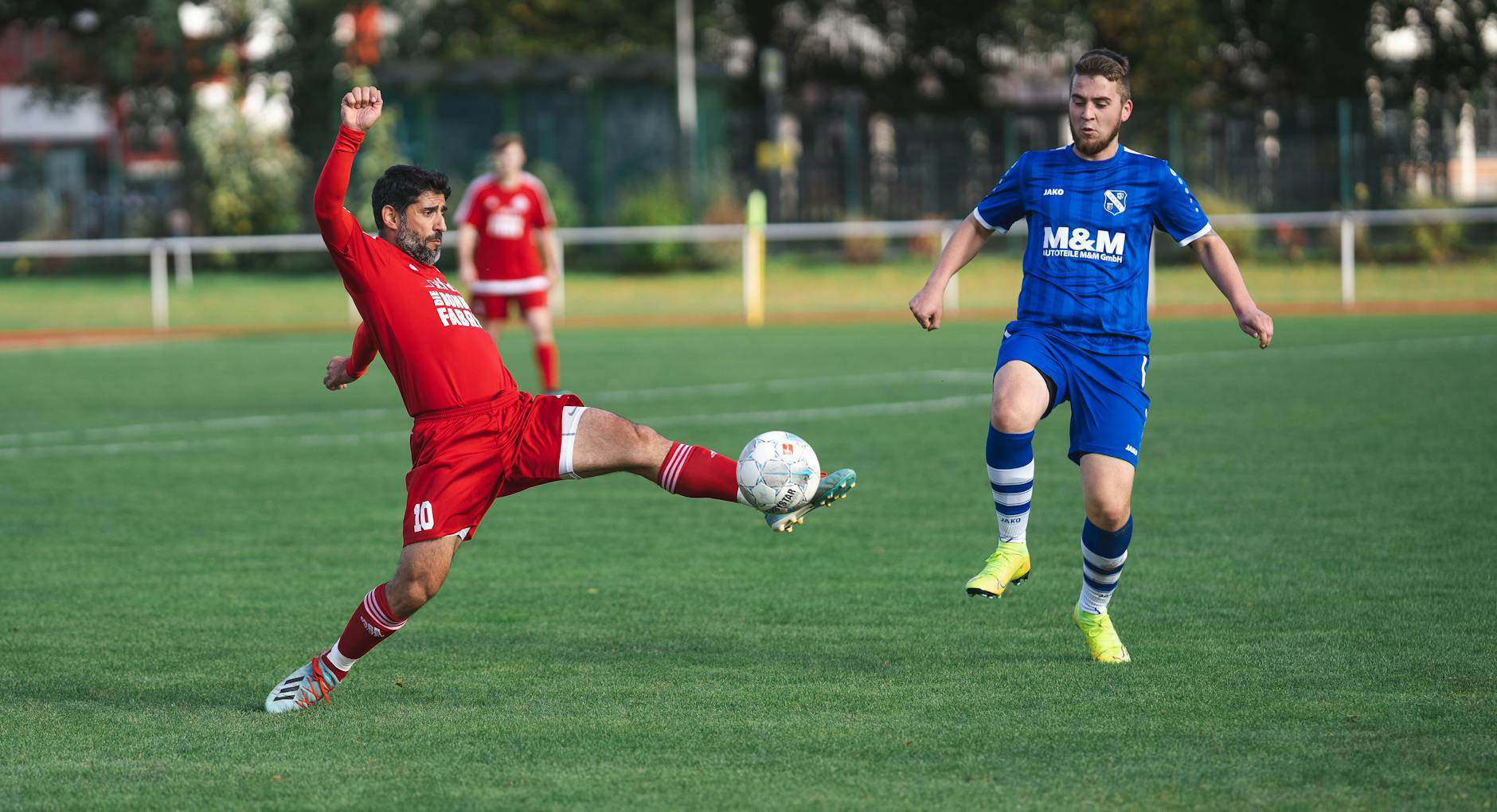
Yes, that’s right! To stay active outside their usual training programs, many black belts join various sports clubs. Engaging in sports offers more than just exercise. It fosters community and provides a break from traditional training.
For example, I have a colleague who excels at basketball. Another instructor enjoys sport breakdancing, which is a legitimate and challenging discipline. I’ve met black belts who run, play soccer, or even engage in tag (also considered a sport).
Participating in various sports can enhance the skills they develop in Tae Kwon Do. While Tae Kwon Do is an amazing sport (my favorite, obviously), there is no harm in diversifying one’s athletic pursuits!

Balancing Training and Fun
At the end of the day, incorporating different forms of exercise keeps the routine fresh. It’s important for instructors to enjoy their training. I personally enjoy calisthenics and home workouts, but joining friends for a soccer game is equally enjoyable.
Exercise is a personal choice. Each instructor picks what resonates with them, ensuring they stay motivated. After their workouts, most will return to their first love: Tae Kwon Do.
So there you go! This overview highlights the various exercises and activities instructors pursue alongside their Tae Kwon Do training. They find ways to leave the dojang and stay active. Each path is valid, and the goal is to remain passionate about training while enjoying physical fitness in all its forms.
What are your thoughts on the subject? Leave a comment down below! Have a wonderful day!
Disclaimer: This site is for informational and entertainment purposes only. All martial arts techniques and exercises should be supervised by a trained martial arts instructor to prevent injuries. The information on these pages and videos is meant to reinforce and supplement the instruction given at your martial arts classes. To properly understand these techniques, you need to learn them from a martial arts instructor who can provide an in-depth explanation, help correct your mistakes, answer your questions, and detail how the technique should be utilized. Moreover, all martial arts techniques and training should be used safely and responsibly.


Leave a Reply